5-Gallon Wet/Dry Vacuum with Blower: Compact Cleanup Power
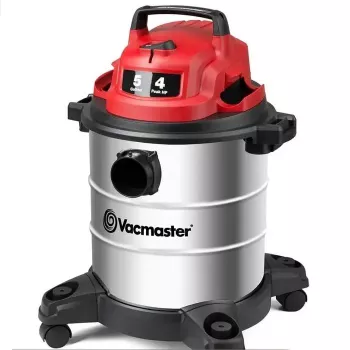
Powerful 5-Gallon Wet Dry Vacuum with Blower: Cleanup and Airflow in One Tool
A compact wet/dry vacuum with a blower function can cover the messes that tend to stack up fast—spills by the entryway, sawdust in the garage, grit in the car, or damp spots in the basement—without demanding the storage space of a full-size shop vac. The 5-gallon class is a practical “carry-it-with-one-hand” size that still holds enough debris to finish typical household jobs before you have to stop and dump. Below is a clear breakdown of what this style of vacuum is built to do, where blower mode shines, what to look for, and how to keep suction and airflow strong over time.
What a 5-Gallon Wet/Dry Vacuum with Blower Is Built to Do
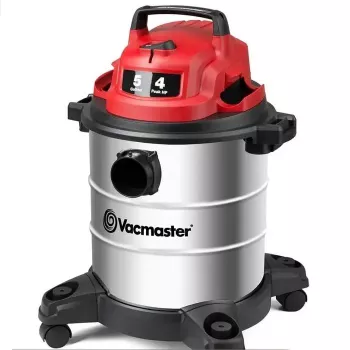
A 5-gallon wet/dry vacuum with a blower is designed to be an all-around cleanup tool, not a single-purpose machine. The core advantage is flexibility: one unit handles both wet pickup and dry pickup, then switches to pushing air when you need to move debris instead of collecting it.
- Switch between wet pickup (spills, light flooding, wash water) and dry pickup (sawdust, dirt, crumbs) using one machine (with the correct filter/float setup).
- Use blower mode to push debris out of tight areas like corners, tool bays, patios, and vehicle interiors.
- Balance capacity and portability: big enough for most home messes, compact enough to lift, store, and transport.
- A natural fit for garages, workshops, basements, vehicles, and small jobsite tasks.
Where the Blower Function Makes a Real Difference
Blower mode often ends up being the “shortcut” feature—especially when vacuuming alone would scatter debris or when you can’t physically reach a tight spot with a nozzle.
- Clear light leaves and dry debris from porches, steps, and garage thresholds when a full-size leaf blower is overkill.
- Blow dust out of workbench corners, miter saw stands, and tool drawers before vacuuming what remains.
- After wet pickup, use airflow to help move lingering water out of door tracks and crevices.
- Handle inflation/deflation-style tasks if compatible adapters exist (confirm accessory fit before depending on this).
- Speed-focused routine: blow debris into a tight pile first, then vacuum to reduce fine dust drifting around.
Choosing the Right Size and Power for Home, Garage, and Car
Most homeowners land on 5 gallons because it’s “enough vacuum” without becoming a bulky storage problem. To avoid disappointment, focus on practical use factors instead of just capacity.
- Capacity (5 gallons): Ideal for routine cleaning with fewer dump-outs than mini vacs, while still manageable on stairs and in a car trunk.
- Suction performance: Look for strong airflow and sealed suction—especially if you regularly pick up heavier grit or fine dust.
- Cord and hose reach: Longer reach means fewer outlet changes and easier cleanup in driveways, garages, and vehicle interiors.
- Noise and comfort: In enclosed spaces, hearing protection can be helpful for extended runs.
- Storage details: Onboard accessory storage and a compact footprint make it more likely you’ll actually keep attachments together.
Quick Fit Guide: Common Jobs vs. Setup
| Task | Mode | Recommended Setup | Tip to Reduce Mess |
|---|---|---|---|
| Car interior (crumbs, grit) | Dry | Crevice tool + brush attachment if available | Start at top surfaces, finish with mats last |
| Garage floor (sawdust, dirt) | Dry | Wide nozzle/floor tool if available | Blow into a pile first, then vacuum |
| Small spill (sink, entryway) | Wet | Wet pickup configuration + appropriate nozzle | Empty tank promptly; rinse to prevent odors |
| Basement damp spots | Wet | Wet pickup configuration | Address the water source; run ventilation after cleanup |
| Patio corners/leaves | Blower | Blower port + nozzle | Blow away from doors and into an easy pickup zone |
Key Features That Matter Day-to-Day
Small design choices make a big difference once you’re using the vacuum weekly (or daily) for quick resets around the house and garage.
How to Use It Safely for Wet Pickup and Fine Dust
- Separate wet and dry workflows: Confirm the right filter/float configuration before switching modes to prevent damage and maintain performance.
- Avoid hazardous dusts unless rated: Fine silica and lead dust typically require specialized vacuums and controls; review safety guidance such as OSHA’s information on respirable crystalline silica: https://www.osha.gov/silica-crystalline.
- Electrical safety: In damp areas, use a GFCI outlet and keep plugs/connections off wet floors; NFPA’s home electrical safety basics are a helpful reference: https://www.nfpa.org/education-and-research/home-fire-safety/electrical.
- No hot debris: Never vacuum hot ashes or smoldering material; use tools designed for ash and wait until fully cool.
- After wet pickup: Rinse and air-dry the tank to reduce odors and mold risk; EPA mold guidance can help if moisture is a recurring issue: https://www.epa.gov/mold.
Maintenance That Keeps Suction Strong
A Solid Option for Compact, All-Purpose Cleanup
For specs, pricing, and availability, see Powerful 5-Gallon Wet Dry Vacuum with Blower.
More In-Stock Picks on Lumerre
- Newborn Baby Gift Set – Bath Toys, Towels, Rattles & More
- 70cm Kawaii Animal Plush Pillow – Soft Seal, Shark & Narwhal Hugging Toy
FAQ
Can the same vacuum be used for both wet spills and dry debris?
Yes, as long as you switch to the correct wet or dry configuration (filter/float setup) based on the manufacturer’s instructions. After wet pickup, empty and dry the tank to help prevent odors and mold.
Is blower mode strong enough for leaves and garage debris?
Blower mode is typically effective for light, dry debris, clearing corners, and small outdoor areas like steps or thresholds. For heavy piles—especially wet leaves—a dedicated high-CFM leaf blower usually performs better.
What should not be vacuumed with a wet/dry vacuum?
Avoid hot ashes, smoldering debris, and hazardous fine dusts unless the unit and filtration are specifically rated for that material. When in doubt, use specialized equipment and follow appropriate safety guidance.













Leave a comment