700W Portable Solar Power Station: Camping & Backup Guide
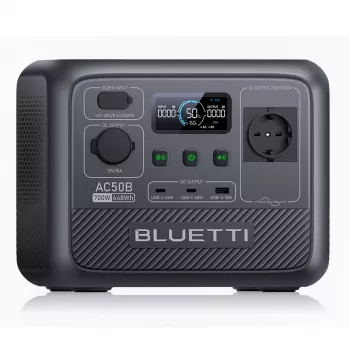
Portable Solar Power Station 700W for Camping, Home Backup, and Off-Grid Work
A 700W portable solar power station can keep essentials running during outages, power devices at campsites, or support tools on the go—without fuel, fumes, or constant noise. The right setup comes down to what you need to power, how long it must run, and how you’ll recharge it between uses.
What a 700W portable power station is best for
A 700W class station sits in the sweet spot for everyday electronics and many small appliances. It’s strong enough for meaningful backup, yet still compact enough to grab for a weekend trip or keep in an apartment closet.
- Short-to-medium backup for critical devices: router/modem, phones, laptops, small fans, lights, and many CPAP setups (always confirm surge and runtime needs).
- Outdoor power for camping and tailgating: lighting, cameras, drones, speakers, and charging multiple devices at once.
- Mobile workstation power: laptops, monitors, soldering stations, small test gear, and charging tool batteries (verify the charger’s wattage).
- Emergency readiness: designed for safe indoor operation compared with fuel generators; pairs well with solar panels for longer outages.
- Not ideal for high-heat loads: space heaters, kettles, hair dryers, and many microwaves typically exceed 700W or spike above it at startup.
Common devices and whether a 700W station is a good match
| Device | Typical power draw (W) | Works well with 700W? | Notes |
|---|---|---|---|
| Smartphone charger | 5–20 | Yes | Multiple charges; minimal impact on runtime. |
| Laptop | 45–100 | Yes | Consider USB-C PD vs AC adapter efficiency. |
| Wi‑Fi router + modem | 10–30 | Yes | Great outage use; long runtimes possible. |
| LED lights (string/lantern) | 5–30 | Yes | Efficient; good for campsites and outages. |
| 12V cooler/fridge (portable) | 40–80 (avg) | Usually | Check startup surge; compressor models cycle. |
| CPAP machine | 30–90 | Usually | Humidifier/heated tubing can raise draw significantly. |
| Blender / small kitchen gadget | 300–700 | Sometimes | Watch continuous rating and surge. |
| Microwave / kettle / heater | 900–1500+ | No | Typically exceeds continuous wattage. |
| Power tools (corded) | 600–1500+ | Sometimes/No | Many exceed 700W or have high surge spikes. |
Key specs that determine real-world performance
Two stations can both say “700W,” but feel very different in use. These are the specs that matter when the power actually goes out or you’re miles from an outlet.
- Continuous output vs. surge output: Continuous wattage supports steady loads; surge wattage covers brief startup peaks from compressors and motors.
- Battery capacity (Wh): Watt-hours are what determine runtime. More Wh means longer operation at the same load.
- Output types and port count: AC outlets for wall-plug gear, USB-A/USB-C for electronics, and 12V/DC for car-style accessories.
- Inverter type: Pure sine wave is preferred for sensitive electronics and some medical devices; modified sine can add noise or heat in certain equipment.
- Charging options: Wall charging for speed, car charging for road trips, and solar input for off-grid use.
- Solar charge controller: MPPT typically harvests more energy than basic controllers in variable sun.
- Battery chemistry and cycle life: Longevity matters if you use it weekly for work or travel, not just once-a-year emergencies.
- Noise, heat, and placement: Fanless designs are quiet but can throttle; fan-cooled units can be louder—keep vents clear either way.
Planning runtime: a simple method that prevents surprises
Runtime planning doesn’t need complicated math. A few quick steps can keep you from finding out too late that a “small” appliance is actually a big load.
Solar recharging basics for a portable station
For a deeper overview of how solar works in practice, see the National Renewable Energy Laboratory’s primer on solar photovoltaic basics.
Safety, storage, and battery care
For outage preparedness guidance, Ready.gov’s power outage page is a solid reference. If you’re comparing options against fuel generators, the U.S. Department of Energy also highlights important carbon monoxide safety considerations.
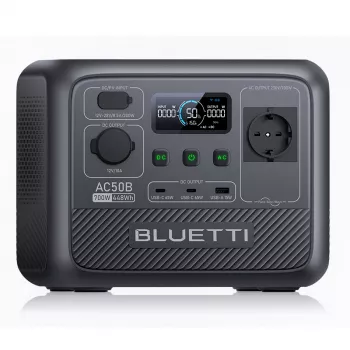
A practical pick for compact backup: Portable Solar Power Station 700W
Shop the featured model here: Portable Solar Power Station 700W.
Quick decision checklist for this 700W class
| Need | Why it matters | What to check before buying |
|---|---|---|
| Run multiple devices at once | Total watts add up quickly | Number of outlets/ports and total continuous wattage |
| Power a fridge/cooler | Compressor startup surge can be high | Surge rating and real-world reports of similar loads |
| Charge phones/laptops efficiently | DC charging reduces inverter losses | USB-C PD wattage, USB-A output, and port count |
| Use with solar panels | Off-grid recharge extends runtime | Solar input range, connector type, and max input wattage |
| Quiet operation | Best for indoor and nighttime use | Fan behavior under load and ventilation requirements |
Other in-stock picks worth browsing
- 70cm Kawaii Animal Plush Pillow – Soft Seal, Shark & Narwhal Hugging Toy (a cozy add-on for camping trips or guest-room outage nights)
- Newborn Baby Gift Set – Bath Toys, Towels, Rattles & More (a practical gift bundle for growing families)
FAQ
Can a 700W portable power station run a refrigerator?
Many compact fridges and some full-size refrigerators can work if the running wattage stays under 700W and the station’s surge rating can handle compressor startup. Check the fridge label, watch for surge behavior, and test the setup before depending on it in an emergency.
How long will a portable solar power station run my devices?
Runtime depends on the battery’s watt-hour rating, the total watts you’re using at the same time, and conversion losses—especially when using AC outlets. Add up your loads, then plan for somewhat less usable energy than the rated Wh to reflect real-world efficiency.
Is it safe to use a portable power station indoors during an outage?
Yes—portable battery power stations are built for indoor use because they don’t produce exhaust fumes. Keep the unit dry, leave space around vents for cooling, and avoid exceeding the continuous wattage rating.














Leave a comment