Silicone & Wood Baby Teether: Easy Grip, BPA-Free Relief
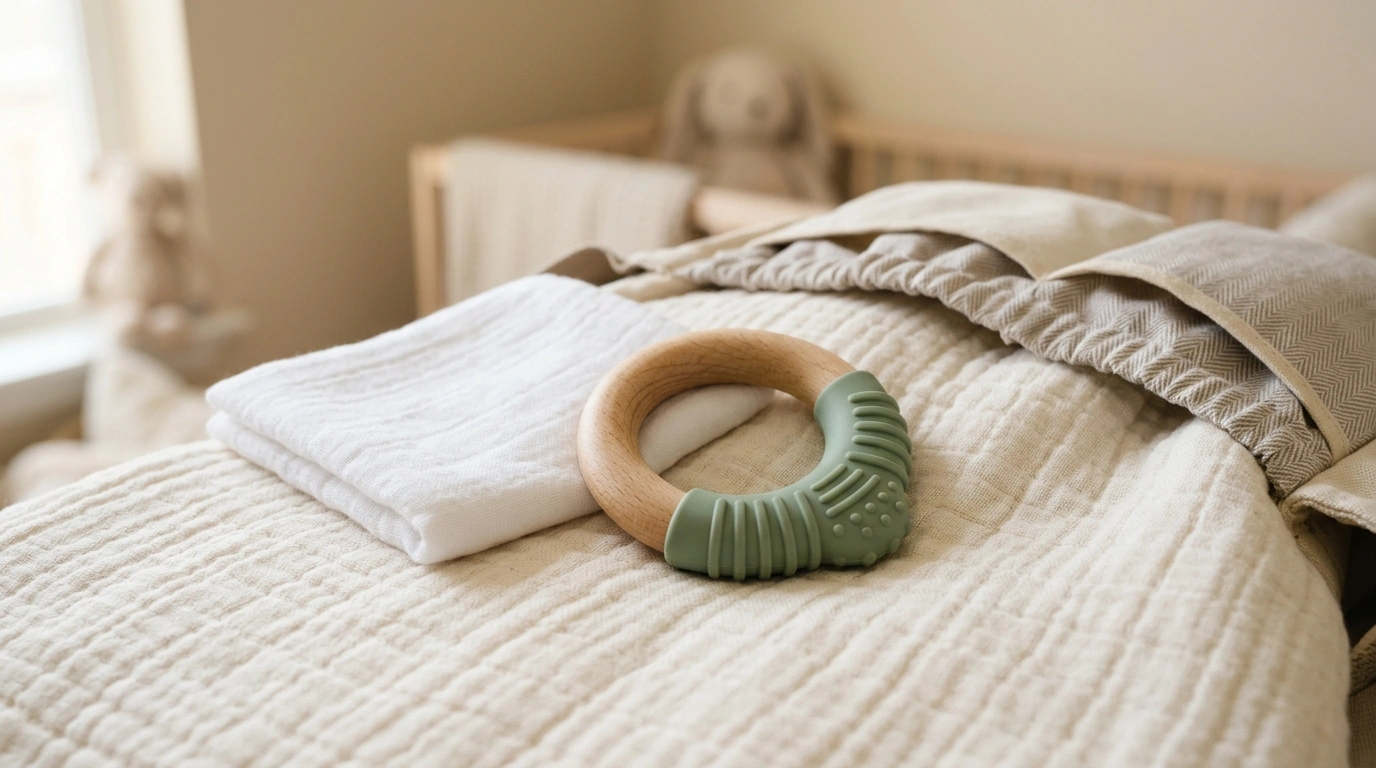
Silicone Baby Teether Toy with Wooden Ring – A Simple, Safe Comfort for Sore Gums
Teething can turn calm moments into fussy ones fast. A lightweight teether that’s easy to grasp and made with baby-safe materials can help soothe tender gums while keeping little hands busy. A silicone-and-wood design is especially practical: soft silicone offers a gentle chew surface, while a wooden ring gives babies a natural, hand-friendly handle that’s easy to hold, rotate, and bring to the mouth. For more guidance, see Ringley ZooLey Turtle Teether Review & 15% Off Discount Code!!!.
What Makes This Teether Easy for Babies to Use
Early teethers work best when babies can control them without much help. A mixed-material teether keeps things simple while still offering multiple sensory cues. For further reading, see The 7 Best Teething Toys of 2023 – WonderBaby.org.
Soft silicone + wooden ring for a natural hold
The silicone portion is designed for chewing, while the wooden ring acts like a built-in handle. That combo can make it easier for infants to keep a steady grip even when hands get slippery from drool.
Lightweight shape that’s comfortable to maneuver
A compact, lightweight teether is less frustrating for babies who are still developing hand strength and coordination. The ring shape also makes it easier to switch hands and rotate to a new chewing spot.
Textured silicone for gum comfort
Textured surfaces can gently massage gums during early tooth eruptions. When baby is chewing to relieve pressure, those small ridges and bumps may feel more satisfying than a completely smooth surface.
Minimal design that’s easy to grab and go
Teething moments don’t always happen at home. A simple, low-fuss teether can slip into a diaper bag pocket and be ready quickly during stroller rides, errands, or car-seat breaks.
Materials and Safety Basics to Look For
When an item is meant for constant mouthing, material quality and construction matter as much as comfort.
BPA-free silicone
BPA-free silicone helps reduce exposure to certain chemicals associated with some plastics. For a deeper overview of BPA in food-contact uses, see the U.S. Food & Drug Administration’s BPA information.
Wood that’s smooth, sealed, and splinter-free
Wooden components should feel polished and free of rough spots. Because wood is porous, it’s especially important that it’s finished appropriately for baby items and kept clean and dry between uses.
Secure construction with no small detachable parts
A safer teether design is typically one-piece or securely joined so there’s less risk of pieces separating. Always supervise and periodically check seams, joints, and edges.
Supervision and regular inspection
Even a well-made teether can wear down over time. Inspect frequently for cracks, thinning silicone, or any loosening between the wood and silicone, and stop use if anything looks questionable.
Quick Product Snapshot
A silicone-and-wood teether is designed for two everyday goals: soothing sore gums and giving babies a simple sensory item to explore with hands and mouth. The wooden ring can make it easier for infants to guide the teether independently, while the silicone portion is intended for repeated chewing with regular cleaning.
At-a-Glance Details
| Feature | What it means for daily use |
|---|---|
| BPA-free silicone | Designed to be safer for mouthing and chewing |
| Wooden ring handle | Easier grip for infants; helps keep hands away from drool |
| Textured chew area | Can provide gentle gum massage during sore periods |
| Compact size | Convenient for travel, stroller rides, and quick soothing |
How to Use It During Teething (Without Overcomplicating It)
Teethers are most helpful when they’re offered proactively, not only when baby is already upset.
Introduce it during calm moments
Offer the teether when baby is content so it becomes familiar. Once it’s a known comfort item, it’s often easier to redirect chewing during fussier stretches.
Try brief chilling for extra soothing
A short chill can make silicone feel more soothing on inflamed gums. Avoid freezing solid unless the product’s instructions specifically allow it, and never microwave a teether. The American Academy of Pediatrics’ teething tips include additional comfort guidance for sore gums.
Rotate comfort items to keep interest
Switching between a couple of teethers (or pairing a teether with a favorite comfort toy) can keep baby engaged and reduce overuse on one spot of the mouth.
Retire it at the first sign of damage
If silicone shows tearing, cracking, or an unusual sticky feel—or if wood becomes rough or splintered—stop use and replace the item to keep chewing safe.
Cleaning and Care
Daily cleaning keeps a teether fresher and helps limit the buildup of drool, lint, and everyday grime.
Wash silicone with mild soap and warm water
Avoid soaking wood for long periods
Dry completely before storing
When Teething Discomfort May Need Extra Help
In-Stock Picks to Pair With Daily Baby Essentials
- Silicone Baby Teether Toy with Wooden Ring – BPA Free Teething Chew Toy for Infants (a simple silicone-and-wood design for soothing and sensory play)
- Newborn Baby Gift Set – Bath Toys, Towels, Rattles & More (a practical add-on for baby shower gifting and new parent essentials)
FAQ
How should a silicone-and-wood teether be cleaned safely?
Wash the silicone with mild soap and warm water, then rinse well. Wipe the wooden ring clean without prolonged soaking, and dry the whole teether completely before storing. Inspect regularly for wear or loosening.
Can a teether be chilled to help sore gums?
Yes—brief chilling can make the silicone feel more soothing on tender gums. Avoid freezing solid unless the product instructions allow it, never microwave, and always supervise while baby is using it.
When should a teether be replaced?
Replace it if the silicone shows tears, thinning, cracks, or a sticky texture. Replace it if the wood develops rough edges, splinters, or if any connection between parts feels loose.














Leave a comment