350W Cordless Stick Vacuum: Hard Floors, Carpet & Pet Hair
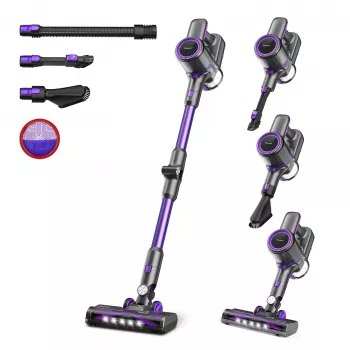
350W Rechargeable Cordless Stick Vacuum Cleaner for Hard Floors, Carpet & Pet Hair
A cordless stick vacuum needs to handle daily crumbs on hard floors, deeper grit in rugs, and stubborn pet hair on multiple surfaces—without feeling heavy or fussy to maintain. A 350W rechargeable cordless stick vacuum is built for quick grab-and-go cleanups, and it can also deliver satisfying results on carpet when you pair its power with the right technique and simple upkeep. Below is a practical guide to getting the most out of this style of vacuum across hard floors, carpet, and pet-heavy zones.
At-a-glance fit for common homes
- Designed for mixed flooring: transitions between hard floors and carpet without dragging a cord.
- Useful for pet owners: frequent pick-ups around shedding areas, entryways, and furniture edges.
- Good for small-to-mid spaces: quick runs for daily maintenance and spot cleaning.
- Cordless convenience: easier stairs, cars, corners, and under-furniture passes.
Surface guide: settings and technique
| Surface / mess | Recommended approach | What to watch for |
|---|---|---|
| Hard floors (dust, crumbs) | Use standard suction; steady, overlapping passes; finish with a slow edge sweep along baseboards | Avoid overly aggressive brush action if it can scatter debris |
| Low-pile carpet (tracked-in grit) | Use higher suction; slower pass speed to let airflow lift embedded dirt | Empty bin more often—fine dust fills capacity quickly |
| Medium-pile rugs (pet hair) | Short strokes in multiple directions; focus on high-traffic lanes | Check for hair wrap and clear it before it reduces performance |
| Stairs / upholstery edges | Use attachments where possible; start at the top of stairs and work down | Secure footing and keep the path clear of the unit while cleaning |
| Corners and baseboards | Angle the head to ride the edge; finish with a deliberate perimeter pass | Clogging can happen if large debris is pulled in at the edges |
What 350W power means in everyday cleaning
Motor wattage isn’t the only factor behind performance, but 350W is a helpful benchmark for a cordless stick vacuum meant to tackle mixed flooring. In everyday use, that power can translate to more stable suction when moving from smooth floors to textured carpet, and quicker pick-ups for larger debris (like kibble and litter) when airflow is unobstructed.
- Helps with suction stability when moving from smooth floors to textured carpet.
- Supports faster pick-ups for larger debris when the bin, filters, and air path are clear.
- Best results come from pairing power with good habits: clear blockages early, keep filters clean, and avoid overfilling the bin.
- Performance can feel different depending on floor type, brush design, and how full the dust cup is.
If your home includes pets or high foot traffic, the “secret” to consistent cleaning is keeping airflow strong. A half-clogged filter or a dust cup packed to the top can make a powerful vacuum feel underwhelming.
Hard floors: preventing scatter and keeping edges clean
Hard floors reward efficient technique. The goal is to capture debris without pushing it around—especially on tile, vinyl, or sealed hardwood where crumbs can skate away.
- Start with a quick open-area pass, then do a second slower pass along edges and under cabinets.
- For larger crumbs, approach from a slight angle to reduce push-away on smooth flooring.
- If fine dust remains, slow down—airflow needs time to pull it from grout lines and floor texture.
- Check wheels and the underside for stuck debris that can scratch delicate finishes.
For moisture-prone areas (entryways, kitchens, bathrooms), staying ahead of dust and damp buildup also supports a healthier indoor environment. If you’re managing humidity or past leaks, the U.S. Environmental Protection Agency’s guidance on moisture control is a useful reference: U.S. EPA — A Brief Guide to Mold, Moisture and Your Home.
Carpet and rugs: lifting grit without endless passes
Carpet holds onto grit, so a cordless stick vacuum needs a slower pace and a little strategy. Instead of repeating the same rushed pass, focus on dwell time (how long the head sits over the fibers) and coverage patterns.
Pet hair routines that make a bigger difference than brute force
If pet dander is a concern, it helps to pair frequent vacuuming with good filter hygiene and overall indoor air habits. The American Lung Association offers a helpful overview here: American Lung Association — Pet Dander and Indoor Air Quality.
Battery, charging, and storage for real-life use
Maintenance that preserves suction over time
Featured products
- 350W Rechargeable Cordless Stick Vacuum Cleaner for Hard Floors, Carpet & Pet Hair — a cordless option designed for everyday floors, rugs, and quick pet hair cleanups.
- Newborn Baby Gift Set – Bath Toys, Towels, Rattles & More — a practical home gift set for new parents.
- 70cm Kawaii Animal Plush Pillow – Soft Seal, Shark & Narwhal Hugging Toy — a cozy, oversized plush pillow for lounging.
FAQ
Can a cordless stick vacuum replace a full-size vacuum for mixed flooring?
For daily cleaning and frequent pet-hair pickups, a cordless stick vacuum can handle most mixed-floor homes, especially small-to-mid spaces. For very thick carpet, large square footage, or infrequent deep cleans, many households still keep a full-size vacuum for occasional heavy-duty sessions.
What causes suction to drop after a few minutes of use?
The most common causes are an overfilled dust bin, a clogged filter, or hair/string blocking the brush or air path. Empty the bin, check the head and tube for a plug, and clean the filters per the care instructions; battery level can also reduce power near the end of a charge.
How often should filters be cleaned in a home with pets?
In pet homes, filter checks should be more frequent—often weekly for heavy shedding, and at least every few weeks for lighter shedding. If you notice odor, reduced airflow, or more dust escaping during emptying, it’s time to clean or replace filters according to the unit’s recommended schedule.













Leave a comment