Suction Lion Silicone Baby Feeding Set (Bowl, Spoon & Fork)
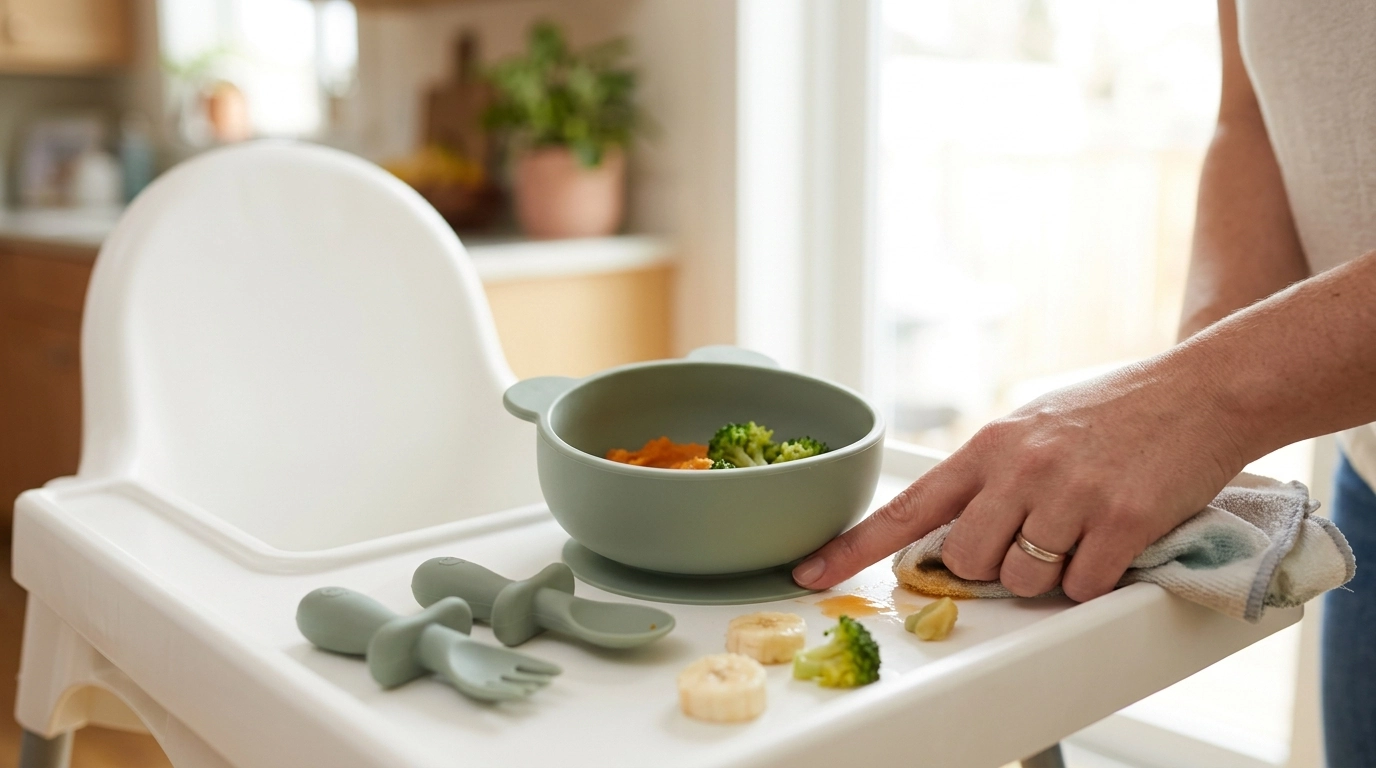
3PCS Baby Silicone Feeding Set with Suction Lion Bowl, Spoon & Fork
Mealtimes get easier when baby dishes stay put and utensils fit small hands. This silicone set pairs a suction lion bowl with a spoon and fork designed for early self-feeding, helping reduce spills while supporting developing grip and coordination. Whether starting with smooth purees or moving toward soft finger foods, a stable bowl and gentle utensils can make practice feel less frustrating for babies and less messy for caregivers.
What’s in the set
- Suction lion bowl designed to help limit tipping and sliding on smooth surfaces
- Silicone spoon for soft gums and early purees
- Silicone fork for soft solids and practice with spear-and-lift motions
- A coordinated set that’s simple to pack for daycare, travel, or meals at home
For parents building a simple feeding routine, having a matching bowl and utensils also helps with consistency—baby learns what to expect at the table, and cleanup stays streamlined.
Why silicone works well for baby feeding
- Soft, flexible feel that can be gentler during teething phases
- Grippy texture that can be easier for babies to hold than slick plastic
- Durable material suited to daily use and repeated washing
- Helpful for parents transitioning from parent-led spoon-feeding to baby-led practice
Many families begin solids with guidance from pediatric resources like the American Academy of Pediatrics’ overview on starting solid foods and the CDC’s infant and toddler nutrition information. Tools like a silicone bowl-and-utensil set don’t replace readiness cues, but they can support safer, calmer practice once baby is developmentally ready.
Suction bowl benefits for less mess
- Suction base can help keep the bowl anchored, reducing flips and pushes
- Supports scooping practice: the bowl staying in place helps baby learn wrist rotation and spoon control
- Works best on clean, flat, non-porous surfaces (smooth high-chair trays, sealed wood, glass, or metal)
- For strongest hold, press firmly at the center after ensuring the surface is dry and free of crumbs
Small setup details make a big difference. Crumbs, food oils, and moisture can break the seal, so a quick wipe of both the tray and the suction base before meals can help the bowl stay put longer. If your high-chair tray has heavy texture or is worn and porous, suction may be weaker—placing the bowl on a smooth plate or mat can sometimes improve hold.
Comfort and skill-building with the spoon and fork
- Spoon supports purees, yogurt, oatmeal, and mashed foods during early feeding stages
- Fork supports soft foods like banana, steamed vegetables, pancakes, and pasta once baby is ready
- Encourages grasping, hand-to-mouth coordination, and early independence at the table
- Adult supervision remains important during all meals, especially when introducing new textures
Early utensils work best when the goal is practice, not perfection. A baby may begin by mouthing the spoon, then graduate to dipping it into thicker foods, and eventually attempt scooping. The fork is often a later step—useful when baby can sit steadily, bring food to the mouth reliably, and manage soft pieces without rushing.
Everyday use tips
- Start with small portions to reduce overwhelm and make scooping easier
- Pre-load the spoon for beginners, then gradually let baby scoop independently
- Use the suction bowl for messier foods (sauces, soups, cereal) where stability matters most
- If suction loosens, re-clean the surface and base; moisture or oils can reduce grip
For less mess, consider serving thicker textures at first—yogurt, mashed sweet potato, or oatmeal tend to cling to the spoon better than thin soups. Keeping portions modest also helps the bowl stay neater, giving baby more successful “wins” while learning.
Cleaning and care
- Wash thoroughly after each use to remove food oils that can affect suction
- Rinse well so no soap residue remains on utensils that contact baby’s mouth
- Allow to fully dry before storing to help prevent lingering odors
- Inspect regularly for tears, thinning edges, or bite damage; replace if wear is visible
Because suction performance depends on a clean contact surface, pay extra attention to the bottom rim of the bowl where residue can hide. If any part becomes sticky, discolored, or visibly damaged, it’s best to replace it to keep mealtimes hygienic and comfortable.
Product details at a glance
| Item | What it is | Why it helps |
|---|---|---|
| Lion bowl | Silicone bowl with suction base | Helps keep food in place and reduces tipping |
| Spoon | Soft silicone utensil | Gentler feel for early feeding and teething phases |
| Fork | Soft silicone utensil | Practice picking up soft solids as skills grow |
| Best setup | Clean, dry, smooth surface | Improves suction hold and stability |
Shop in-stock baby favorites
- 3PCS Baby Silicone Feeding Set with Suction Lion Bowl, Spoon & Fork ($6.97)
- Newborn Baby Gift Set – Bath Toys, Towels, Rattles & More ($21.67)
- 70cm Kawaii Animal Plush Pillow – Soft Seal, Shark & Narwhal Hugging Toy ($24.01)
When this set makes a great gift
FAQ
How do you get the suction bowl to stick better?
Use it on a clean, dry, smooth, non-porous surface, and remove crumbs and oils first. Press firmly at the center to push out air; on some surfaces, lightly dampening the suction base can improve the seal. Textured or porous trays typically reduce suction strength.
Is a silicone spoon safe for teething babies?
Soft silicone is commonly used for baby utensils because it has a gentler feel on gums. Always supervise during meals and inspect the spoon regularly for tears, thinning edges, or bite damage. Replace it if any wear is visible.
When should a baby start using a fork?
Many babies try a fork after they’ve had some spoon practice and can manage soft solids with steady sitting and good hand-to-mouth coordination. Start with very soft foods like banana or steamed vegetables and keep pieces appropriately sized. Close supervision is important as textures and skills change.















Leave a comment