Bone Conduction Sleep Speaker: Bluetooth, Timer & LED
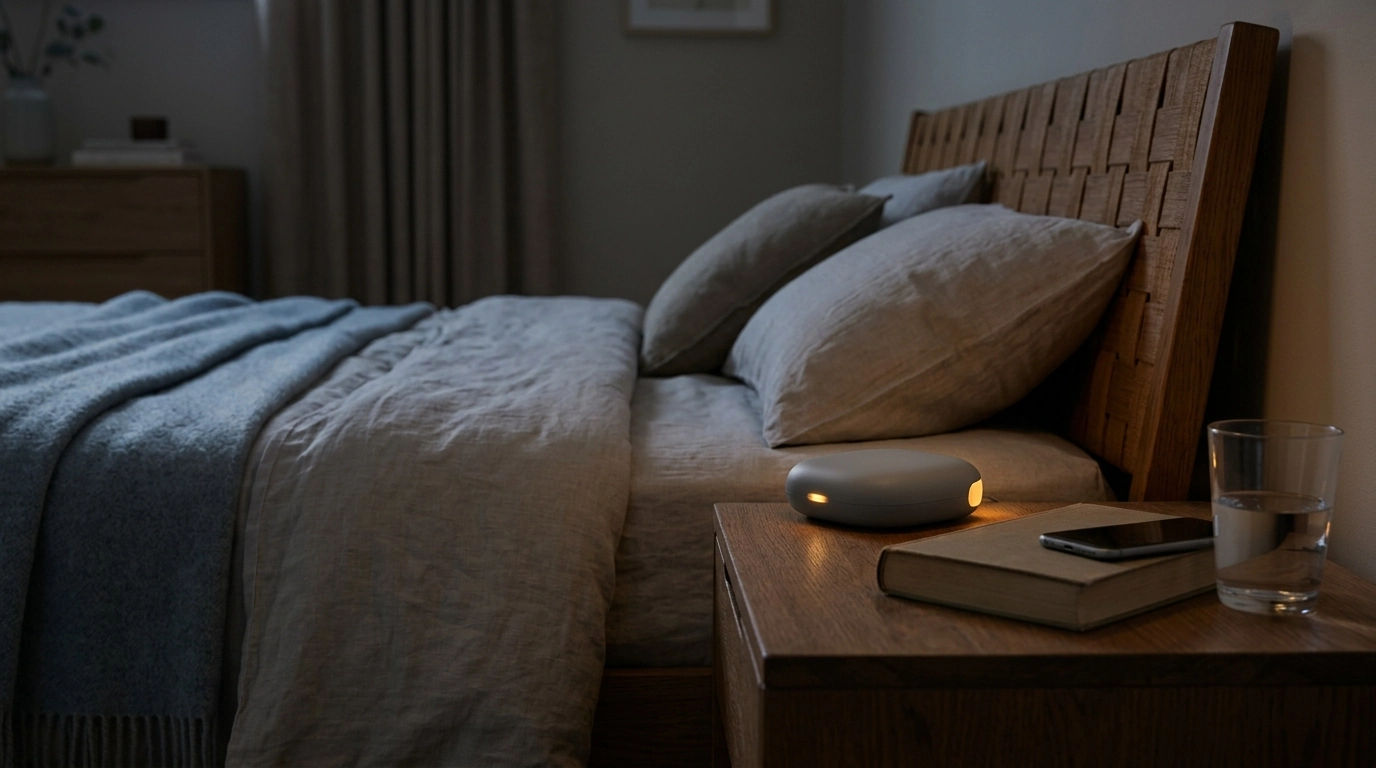
Bone Conduction Bluetooth Sleep Speaker with Timer and LED Light: A Gentle Bedside Audio Alternative
A compact sleep speaker can make nightly routines easier when it delivers clear audio without blasting the whole room. A bone conduction Bluetooth sleep speaker is designed to create a more contained, bedside-friendly sound experience by transferring audio through contact with a surface—paired here with wireless playback, a built-in sleep timer, and a soft LED glow. It’s a practical setup for winding down, late-night reading, or masking background noise while keeping the space calm.
What Makes a Bone Conduction Sleep Speaker Different
Unlike traditional speakers that primarily push sound waves through open air, bone conduction-style sleep speakers rely on vibration and contact. When placed against a compatible surface—like a headboard shelf, a nightstand touching the bed frame area, or another stable point—the sound tends to feel more “localized” near the bed.
- Transfers sound through contact with a surface (such as a pillow-adjacent area, headboard, or bedside table), creating a more localized listening experience.
- Helps reduce room-filling volume compared with many traditional bedside speakers.
- Pairs well with calming audio like white noise, audiobooks, meditation tracks, or low-volume music.
- Made for bedtime routines where comfort, low distraction, and simple controls matter most.
Key Features That Matter at Night
Nighttime audio is different from daytime listening: comfort beats power, and convenience matters more than complex controls. The most helpful features tend to be the ones that prevent surprises—like a device playing all night or a bright light suddenly waking you up.
- Bluetooth connectivity: quick pairing with a phone or tablet for streaming sleep audio.
- Sleep timer: set playback to stop automatically, helping avoid overnight battery drain and unwanted wake-ups.
- LED light: adds a gentle glow for navigation, settling in, or reading without turning on harsh overhead lighting.
- Compact footprint: easy to place on a nightstand, headboard shelf, or in a travel bag for hotel stays.
| Feature | Why it helps | How to use it well |
|---|---|---|
| Sleep timer | Prevents audio from running all night | Match timer length to typical time-to-sleep (e.g., 15–45 minutes) |
| Bone conduction output | Keeps sound more contained | Place on a stable surface in contact with the pillow/headboard area |
| LED light | Supports a calmer wind-down | Keep brightness low; use warm tones if available |
| Bluetooth | Flexible content choices | Create a dedicated sleep playlist to avoid abrupt track changes |
Best Ways to Set It Up (Placement Tips)
Because vibration-based audio depends on contact, placement can make the difference between “barely audible” and “surprisingly clear.” A few small adjustments usually get better results than turning the volume up.
- Start with a stable, flat surface: vibration-based sound works better when the speaker is firmly seated.
- Try pillow-adjacent placement: on a nightstand touching the bed frame/headboard area, or on a shelf that couples well with the bed structure.
- Adjust volume lower than expected: localized conduction can feel louder up close; aim for a soothing baseline rather than “listening volume.”
- If sharing a room: position to minimize sound spill and keep the light facing away from a partner’s eyes.
- For travel: test placement on hotel furniture—different materials transfer sound differently (wood often conducts better than soft, unstable surfaces).
Timer + Light Routines for Falling Asleep Faster
Pairing a timer with a gentle light can help make sleep routines more consistent—especially when the goal is to reduce stimulation rather than add it. Keeping the environment dim matters, since brighter and bluer light can be more alerting; the Sleep Foundation explains how blue light can affect sleep patterns (Sleep Foundation — How Blue Light Affects Sleep). For broader context on the body clock, the National Institute of General Medical Sciences has a clear overview of circadian rhythms (NIGMS — Circadian Rhythms).
Who This Type of Speaker Is Great For (and Who May Prefer Something Else)
Care, Charging, and Everyday Use
Product Spotlight
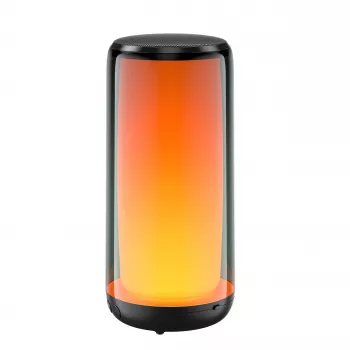
Bone Conduction Bluetooth Sleep Speaker with Timer and LED Light is a compact bedside option that combines localized audio transfer, wireless playback, a shutoff timer, and an integrated LED glow. It’s well-suited for sleep playlists, white noise, audiobooks, or guided relaxation—without relying on a room-filling speaker.
Simple Pairings for a Cozy Bed Setup
If the goal is an even calmer bedtime environment, consider adding a soft, supportive pillow for reading or side-sleep lounging. The 70cm Kawaii Animal Plush Pillow – Soft Seal, Shark & Narwhal Hugging Toy can work as an extra cushion behind the shoulders or along the side while the speaker handles quiet background audio.
| Item | What it includes | Best use |
|---|---|---|
| Bone Conduction Bluetooth Sleep Speaker with Timer and LED Light | Bluetooth audio + timer + LED light | Nightstand sleep audio and gentle bedside lighting |
| 70cm Kawaii Animal Plush Pillow – Soft Seal, Shark & Narwhal Hugging Toy | Oversized plush pillow for hugging/props | Lounging comfort for reading and wind-down routines |
FAQ
Does bone conduction keep the sound from disturbing others?
It can help keep audio more localized than many traditional speakers, but it won’t be completely silent to others. Placement on a stable surface and using a lower volume usually make the biggest difference in reducing sound spill.
How long should the sleep timer be set for?
A good starting point is your typical time-to-fall-asleep, often around 15–45 minutes. If you notice wake-ups when audio stops, try a slightly longer timer; if you’re waking to ongoing sound, shorten it.
Is it okay to use a bedside LED light before sleep?
Yes, as long as it’s kept dim and comfortable. Brighter and cooler-toned light can feel more alerting, so using the lowest practical brightness (and warmer tones if available) is generally easier on a bedtime routine.












Leave a comment