12L Air Fryer with Window: Big Batches, Crisp Results
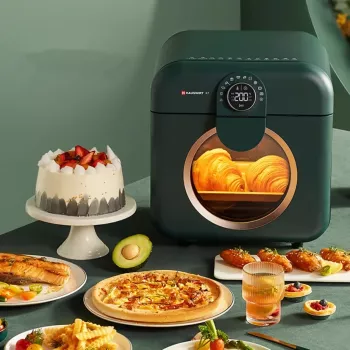
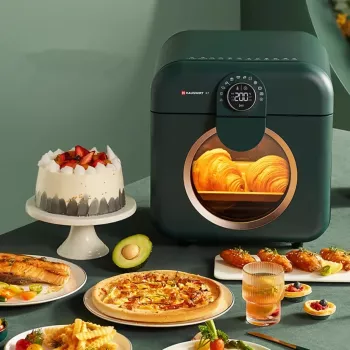
12L High-Capacity Air Fryer with Visualization Window – Healthier Cooking Made Easy
A roomy 12L air fryer can simplify weeknight meals, batch cooking, and entertaining by delivering crispy results with less added oil. A visualization window adds convenience by letting food be checked mid-cook without repeatedly opening the basket or door, helping maintain steady heat for more consistent browning. Below are practical use cases, the features that matter, cooking tips, cleaning guidance, and simple comparisons to help decide if a high-capacity model fits your kitchen.
Why a 12L Capacity Changes Everyday Cooking
Capacity is more than a number—it shapes how often you need to run back-to-back cycles and how consistently food stays hot and crisp on the table.
- Handles family-size portions in one cycle: wings, fries, roasted vegetables, and sheet-pan style meals without splitting into multiple batches.
- Works well for meal prep: cook proteins and sides back-to-back with less waiting for reheating between rounds.
- Better for large or bulky foods: whole chicken pieces, layered skewers, or stacked accessories (where included).
- More flexible timing: fewer batches means less chance early batches cool off while later batches finish.
Capacity Guide: What a 12L Air Fryer Can Comfortably Handle
| Food | Typical amount | Best tip for even results |
|---|---|---|
| Frozen fries | Enough for 3–5 servings (single layer preferred) | Shake or turn halfway; avoid overfilling to prevent steaming |
| Chicken wings | Family-size batch | Space out and flip once for crisp skin |
| Vegetables (broccoli, carrots, peppers) | Large bowl worth | Lightly oil and toss; cook in two layers only if turning often |
| Salmon or chicken breasts | Multiple portions | Pat dry; use moderate heat to prevent outside overbrowning |
| Reheating pizza or leftovers | Several slices/containers | Use a lower temp for reheats to warm through without drying |
Visualization Window: Small Feature, Big Convenience
A visualization window sounds simple, but it changes the rhythm of cooking—especially when you’re dialing in a new recipe or trying to avoid overbrowning.
- Quick visual checks reduce heat loss compared with frequent opening, supporting more stable cooking conditions.
- Helps prevent overcooking delicate foods (fish, pastries, thin cuts) by spotting doneness early.
- Useful for learning new recipes: watch browning and bubbling to understand timing on a specific appliance.
- Pairs well with an interior light (if present) to monitor color changes without interrupting airflow.
In practice, the window is most helpful during the last 20% of a cook: the moment when fries go from pale to golden, skin tightens on chicken, or cheese starts to blister on a reheat.
Crisp Results With Less Added Oil
Air frying relies on fast-moving hot air to brown surfaces, often needing only a light coating of oil for texture. That makes it easier to control fats without giving up the crunch that makes fried foods satisfying.
- Oil control is easier: a quick spray or measured teaspoon can be enough for many foods.
- Great for reducing the greasy feel on frozen snacks and breaded items while keeping crunch.
- For best browning, keep surfaces dry: pat proteins dry and avoid heavy wet batters.
For everyday cooking, choosing the right oil also matters. The American Heart Association’s guidance on healthy cooking oils and fats is a useful reference when deciding between options like olive, avocado, or canola—especially if air frying becomes a frequent routine.
Everyday Uses: From Weeknight Dinner to Meal Prep
A large-capacity air fryer is at its best when it replaces multiple small steps with a simple “set, monitor, and finish” flow.
- One-appliance dinner: roast vegetables, cook a protein in a separate step, then finish with a quick crisping pass to bring everything back to peak texture.
- Breakfast shortcuts: crisp hash browns, warm pastries, or cook bacon with less splatter (use appropriate trays/liners and drain grease safely).
- Snack upgrades: reheat fries, nuggets, and spring rolls for a fresh-from-the-oven texture.
- Entertaining: keep batches moving without tying up the main oven—useful when you want hot appetizers arriving on schedule.
Controls, Temperature, and Timing: Getting Consistent Results
Large cavities can cook extremely evenly when airflow is respected—and less evenly when loads are packed too tight. A few habits make results predictable.
For safe minimum internal temperatures (especially for poultry and ground meats), the USDA chart is a reliable standard: USDA Food Safety and Inspection Service — Safe Minimum Internal Temperatures.
Cleaning and Maintenance Without the Hassle
For general consumer safety updates and recall lookups, the FDA’s hub is a helpful entry point: FDA — Recalls, Market Withdrawals, and Safety Alerts.
Who This 12L Model Suits Best
Featured Products
- 12L High-Capacity Air Fryer with Visualization Window – Healthier Cooking Made Easy
- Newborn Baby Gift Set – Bath Toys, Towels, Rattles & More
- VVS Moissanite Long Tassel Drop Earrings
12L High-Capacity Air Fryer with Visualization Window
FAQ
Does a visualization window affect cooking performance?
The window is mainly for monitoring; cooking performance still depends on airflow and stable heat. Because it can reduce how often the door is opened, it may indirectly support more consistent browning by minimizing temperature drops.
How much oil is typically needed for air frying?
Many foods need little to none, especially frozen items that already contain some oil. A light spray or a small measured amount can improve browning, but too much oil can drip, smoke, or soften breading.
What’s the best way to avoid uneven cooking in a large-capacity air fryer?
Don’t overfill—leave space for air to circulate and keep a single layer when possible. Shake, flip, or rotate food midway (and rotate trays if the model uses multiple levels), and use a thermometer for proteins to confirm doneness.













Leave a comment