Indoor Hydroponic Garden System: Fresh Herbs Year-Round
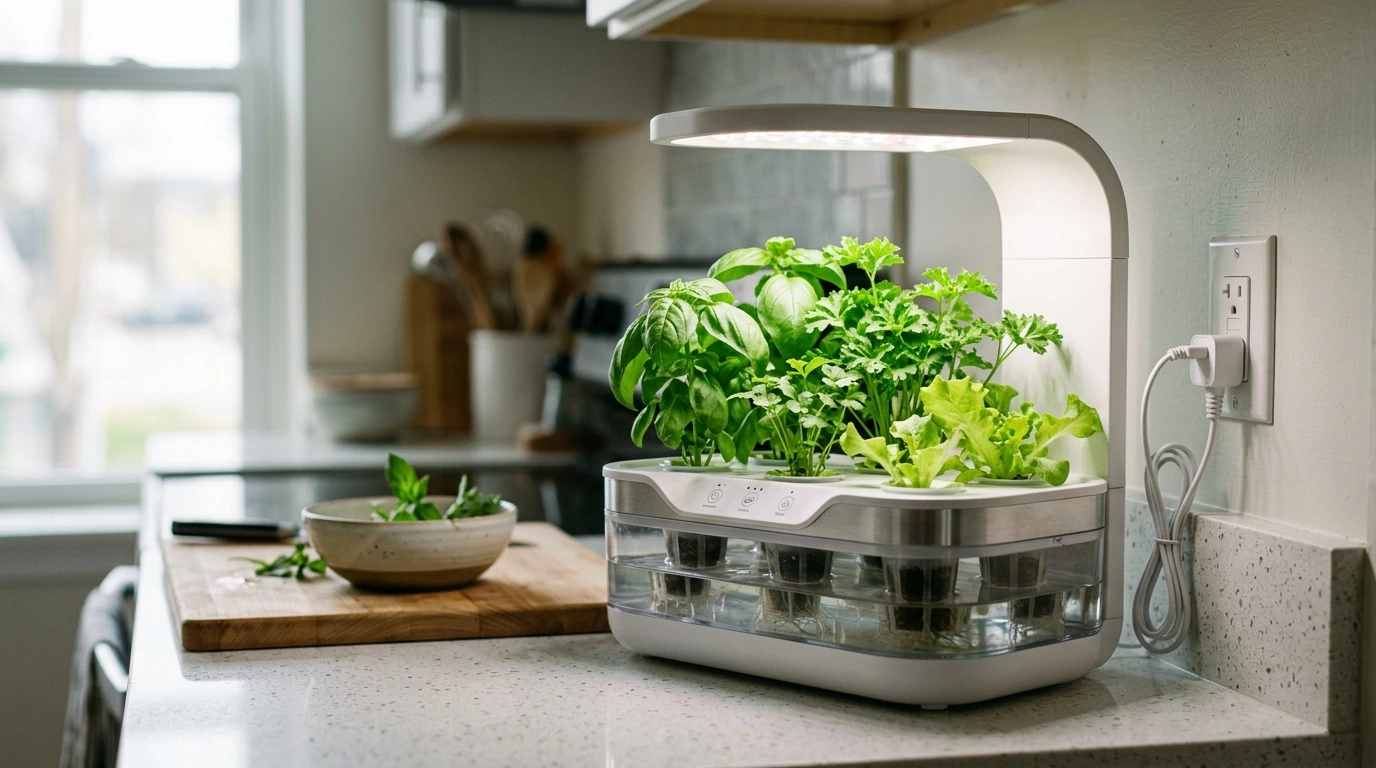
Indoor Hydroponic Garden System for Fresh Herbs and Greens at Home
An indoor hydroponic garden system makes it possible to grow herbs and leafy greens without soil, using a water-and-nutrient reservoir plus steady light. It fits well in apartments, offices, dorms, and kitchens where outdoor space is limited, and it can reduce mess while keeping plants on a predictable watering schedule.
Why an indoor hydroponic setup works so well indoors
- Soil-free growing helps reduce gnats, mud, and spilled potting mix on counters and shelves.
- Roots receive water and nutrients directly, which can support faster, more consistent growth for many greens and herbs.
- A compact footprint makes it easier to place near outlets and away from high-traffic areas.
- Year-round growing is possible when temperature and light are stable.
- Less guesswork: reservoir top-offs and simple dosing replace frequent watering and drainage concerns.
Hydroponics is also a practical way to keep “kitchen herbs” truly within reach—clip a handful of basil or a few outer lettuce leaves, rinse, and cook. For a deeper overview of hydroponic methods and best practices, see the University of Florida IFAS Extension hydroponics resources.
What to look for in an indoor hydroponic garden system
- Grow sites and spacing: enough pod slots for a steady harvest without crowding as plants mature.
- Reservoir capacity: larger tanks typically need fewer top-offs, especially in warm rooms.
- Lighting: full-spectrum LED with adjustable height helps seedlings and mature plants stay compact and productive.
- Pump and aeration: steady circulation or aeration helps prevent stagnant water and supports healthier roots.
- Noise and placement: quiet operation matters for bedrooms and desks; consider cable length and outlet access.
- Materials and cleaning: smooth, wipeable surfaces and a design that disassembles easily make maintenance simpler.
If you want a simple, countertop-friendly starting point, the Indoor Hydroponic Garden System is designed for indoor herb and greens growing with a tidy, reservoir-based workflow.
How hydroponic growing works (simple overview)
- Seeds start in an inert medium (often sponges or plugs) that holds moisture while roots develop.
- A nutrient solution delivers essential minerals; the plant’s roots absorb what they need from the water.
- Light replaces sunlight when growing away from windows; consistent light periods support predictable growth.
- Circulation (pump) or oxygen exposure helps keep roots supplied and reduces the risk of odor or slime.
- As plants grow, the reservoir is topped off and nutrients are refreshed on a schedule.
Plants need a balanced supply of nutrients—especially nitrogen, phosphorus, potassium, and key micronutrients—to build leaves and stay vigorous. For a plain-language overview of plant nutrients, the USDA NRCS plant nutrients guide is a helpful reference.
Plant choices and typical timelines
- Leafy greens (lettuce, arugula, spinach) are beginner-friendly and usually thrive with moderate light and cool-to-mild indoor temperatures.
- Herbs (basil, cilantro, parsley, dill, mint) do well, but some—like basil—need enough light and pruning to prevent legginess.
- Compact fruiting plants (some dwarf peppers or cherry tomatoes) can work in certain systems, but they typically need stronger light, more nutrients, and more vertical space.
- Start with 2–3 varieties that have similar growth rates and pruning needs to simplify care.
Common indoor hydroponic crops: care focus and harvest expectations
| Plant type | First harvest (typical range) | Care focus | Notes for best results |
|---|---|---|---|
| Lettuce & salad greens | 3–6 weeks | Steady light, cool room, regular top-offs | Harvest outer leaves to extend production |
| Basil | 4–8 weeks | High light, frequent pinching | Pinch above leaf nodes to encourage bushy growth |
| Cilantro | 4–7 weeks | Cooler temps, consistent moisture | Bolts faster in warm rooms; stagger plantings |
| Parsley | 6–10 weeks | Patience, stable nutrients | Slow starter; keep light consistent |
| Mint | 4–8 weeks | Pruning, containment | Vigorous growth; prune often to prevent overcrowding |
Setup checklist for a smooth first grow
- Choose a stable surface away from stovetop heat, direct HVAC blasts, and splashing sinks.
- Rinse the reservoir and components before first use; avoid harsh residues that can stress seedlings.
- Use clean water and follow nutrient directions precisely; overfeeding is a common cause of burned leaf tips.
- Set a consistent light schedule; many greens and herbs do well with a long, steady photoperiod.
- Label pods and note planting dates to track performance and plan re-seeding for continuous harvest.
- Keep airflow gentle; a small fan on low can strengthen stems and reduce excess humidity around leaves.
Ongoing care: weekly routine and monthly refresh
Troubleshooting common indoor hydroponic problems
Featured picks from our store
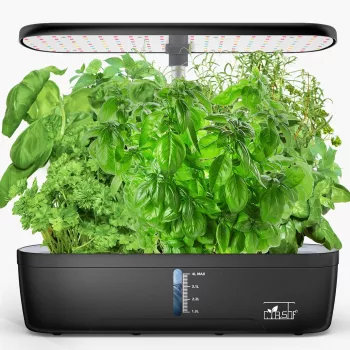
- Indoor Hydroponic Garden System — a straightforward indoor setup for growing fresh herbs and leafy greens with a reservoir-based routine.
- 70cm Kawaii Animal Plush Pillow – Soft Seal, Shark & Narwhal Hugging Toy — a cozy add-on for a reading nook or kitchen bench near your growing station.
- VVS Moissanite Long Tassel Drop Earrings — a giftable pick for celebrations and special occasions.
FAQ
How often does the water need to be changed in an indoor hydroponic garden system?
Most indoor systems do best with a full reservoir refresh about every 2–4 weeks. Larger plants, warmer rooms, and stronger nutrient mixes can shorten that window, while topping off with clean water between changes helps keep levels stable.
What are the easiest plants to start with indoors?
Lettuce, arugula, basil, and mint are popular first choices because they grow relatively fast and tolerate small beginner mistakes. Harvest frequently—especially pinching basil tips—to keep plants bushy and productive.
Why do hydroponic plants get long and floppy?
Stretched, floppy growth is usually a light issue: the lamp is too high, too weak, or not on a steady schedule. Lower or adjust the light (without overheating the leaves), keep the daily light period consistent, and add gentle airflow to strengthen stems.














Leave a comment