2.4G Waterproof High-Speed RC Boat: Setup & Tips
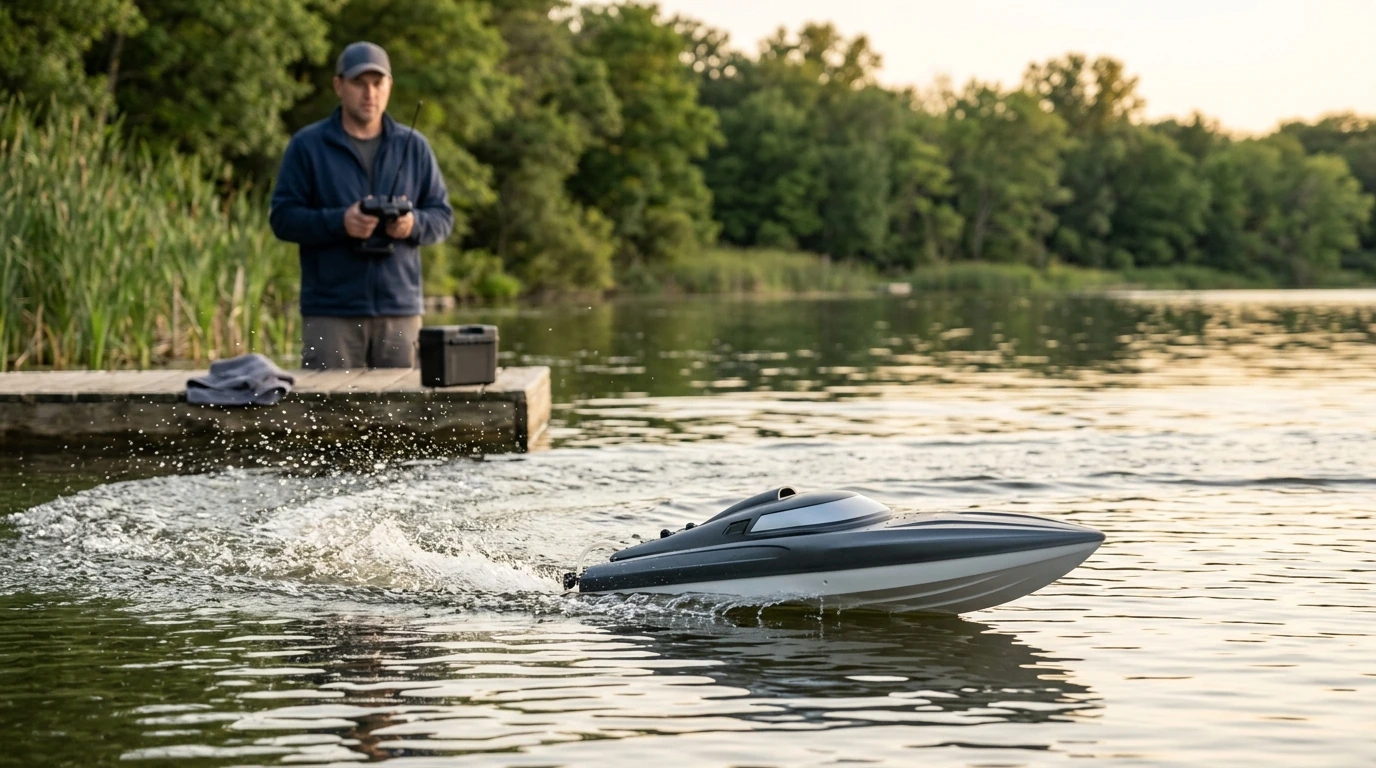
High-Speed RC Boat 2.4G Waterproof Remote Control Racing Speedboat: What to Expect on the Water
A fast RC boat is most fun when it feels responsive, stays stable through turns, and keeps running after splashes and bumps. A solid 2.4G radio link, sensible waterproofing, and a few repeatable habits (before and after each run) go a long way toward making every launch feel predictable. Below is what to look for in a 2.4G waterproof racing speedboat, how to set it up for smoother laps, and how to keep performance consistent from the first pass to the final shoreline glide.
Why a 2.4G Racing Boat Feels More Reliable
Modern 2.4G systems are built to play nicer in the real world—where nearby remotes, Wi‑Fi, and other wireless devices can crowd the airwaves. Compared with older frequency types, 2.4G gear is designed to reduce interference and hold a steadier connection, which usually shows up as more consistent steering and fewer “mystery” dropouts.
That steadiness matters most when you’re doing the things that make a speedboat fun: correcting a wobble, holding a clean line through a sweeping turn, or easing off throttle without losing control authority. It’s also more multi-boat friendly for casual races, since several boats can run near each other without everyone fighting for a single channel.
Range in the real world depends on battery level, antenna orientation, and what’s between you and the boat. A simple habit that helps: keep the transmitter positioned so you’re not blocking it with your body, and avoid standing directly behind metal railings or large objects that can disrupt the signal.
Waterproofing Basics (What It Protects—and What It Doesn’t)
“Waterproof” typically means the hull and key splash-prone areas are designed to resist water intrusion—especially when the hatch is seated correctly. It doesn’t mean water can sit inside the hull indefinitely without consequences. Even water-resistant electronics can suffer if moisture lingers, so drying the interior after each run helps prevent corrosion and connector issues.
If you run in saltwater, assume you’ll need a little extra care. Salt residue can attack metal parts and connectors faster than freshwater can. A quick fresh-water wipe-down followed by thorough drying helps keep the hardware in good shape.
Also keep in mind that sand and tiny debris can compromise seals. If the hatch feels harder to close than usual, inspect the gasket and the seating channel before forcing it—cleaning it out usually beats tightening things down and hoping for the best.
Quick pre-launch checklist
| Check | What to do | Why it matters |
|---|---|---|
| Hatch/seal | Press closed evenly; ensure no hair/sand on the gasket | Reduces water intrusion |
| Battery fit | Seat battery securely; confirm connector is fully engaged | Prevents power dropouts |
| Rudder/prop area | Spin by hand to ensure it moves freely | Avoids strain and overheating |
| Radio test | Steer/throttle test before placing on water | Catches pairing or trim issues early |
| Recovery plan | Have a retrieval method (net/line/backup craft) | Prepares for stalls or flips |
Handling and Control: Getting Smooth Starts and Clean Turns
Most “bad handling” starts with the first three seconds. If you hammer the throttle immediately, a smaller speedboat can hop, porpoise, or veer as it fights for stability. Instead, roll on throttle progressively so the hull settles and begins tracking straight.
When you’re dialing in your feel, use wide arcs at first. Wide turns teach you how the boat reacts at speed without forcing an abrupt rudder input that can scrub speed, destabilize the hull, or pull the bow into a chatter. As your confidence grows, tighten the turn radius gradually.
Battery, Runtime, and Charging Habits That Protect Performance
Where This Type of Speedboat Works Best
For general safety guidance on toys and outdoor play, it’s worth reviewing consumer resources like the U.S. Consumer Product Safety Commission (CPSC) toy safety information. For radio equipment context and compliance background, the FCC equipment authorization overview is a helpful reference point.
Care After Each Run: Small Steps That Prevent Big Problems
Common Issues and Quick Fixes
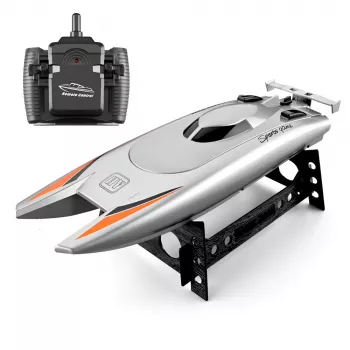
Product Spotlight: High-Speed RC Boat 2.4G Waterproof Remote Control Racing Speedboat
If you want a speedboat built around the basics that matter most for enjoyable laps, the High-Speed RC Boat 2.4G Waterproof Remote Control Racing Speedboat is designed for responsive 2.4G control and splash-heavy running. The best experience comes from treating each session like a simple routine: close the hatch cleanly, launch with steady throttle, then dry the interior afterward so the boat stays consistent run after run.
At-a-glance details
| Item | Details |
|---|---|
| Model | High-Speed RC Boat 2.4G Waterproof Remote Control Racing Speedboat |
| Price | $45.51 USD |
| Availability | In stock |
| Product page | View product |
More In-Stock Picks
FAQ
Can a waterproof RC boat be used in saltwater?
Yes, but salt residue can corrode parts and connectors. Wipe down with fresh water after use, dry thoroughly, and check metal hardware and plugs before the next run.
Why does an RC boat lose range or feel glitchy on the water?
Low battery, poor antenna orientation, and interference in crowded 2.4G areas can all reduce control reliability. Standing behind metal objects or railings can also weaken the signal.
What should be done if the boat flips or stalls far from shore?
Have a retrieval plan ready, such as a net, a line, or a secondary craft. Avoid swimming after it in unsafe conditions, and dry the boat completely before powering it on again.














Leave a comment