4-Stage HEPA-Style Cordless Vacuum: Bagless Guide
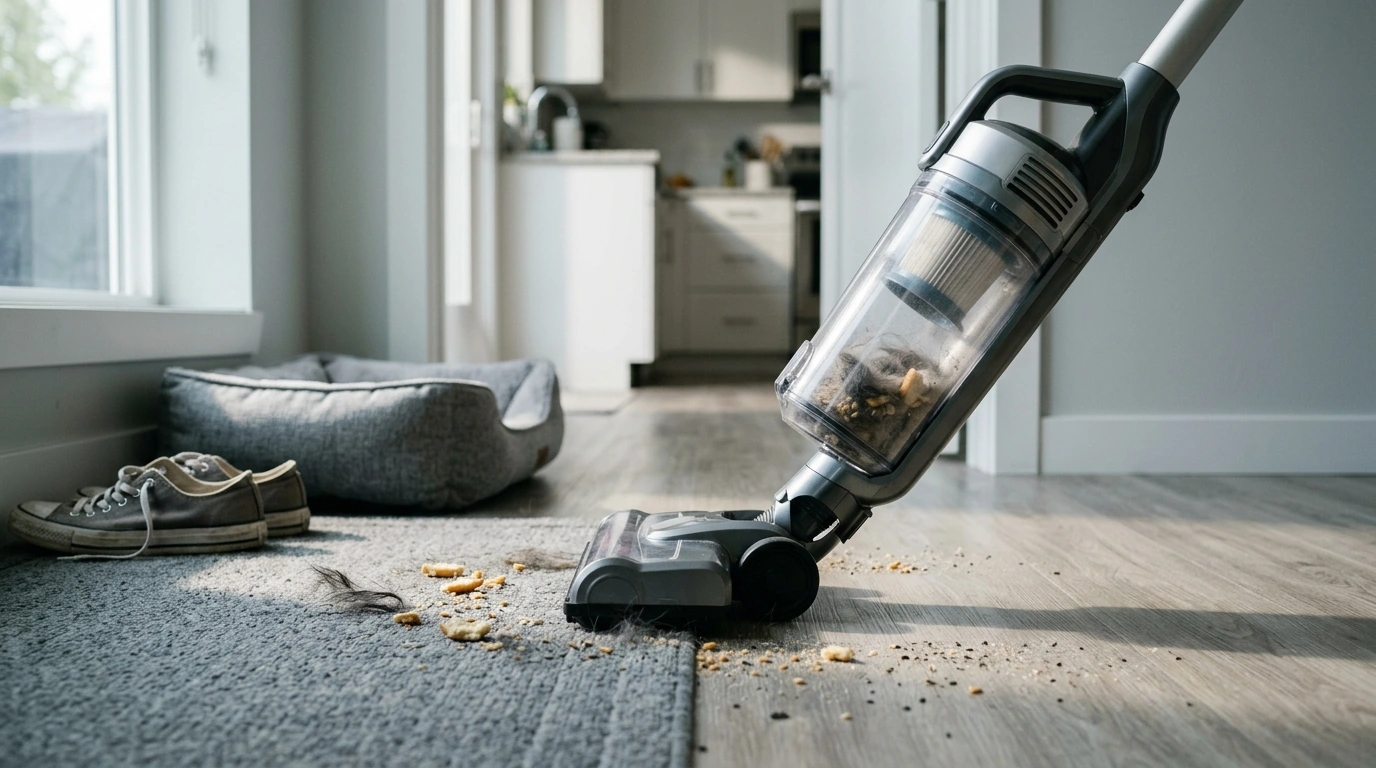
A lightweight cordless vacuum can make quick cleanups easier, but filtration and dust handling matter just as much as convenience. A HEPA-style filter paired with a multi-stage system helps capture fine particles while a bagless bin keeps maintenance straightforward for everyday floors, rugs, and high-traffic areas.
What a 4-stage filtration setup does during everyday cleaning
A 4-stage filtration path is built to handle mess in layers. Instead of forcing everything—crumbs, hair, grit, and fine dust—into a single screen, staged filtration is designed to separate larger debris first and reduce how much fine dust reaches the final filter.
- Stage-by-stage filtration helps trap bigger particles early, which can reduce buildup where it hurts airflow most.
- A multi-stage path can help maintain more consistent suction by preventing rapid clogging at a single filter surface.
- In busy zones like entryways, kitchens, and pet areas, staged filtration may reduce dust “puffs” during bin emptying compared with simpler single-screen designs.
Typical roles of each filtration stage
| Stage | Primary job | Helps with |
|---|---|---|
| 1 | Pre-separates larger debris and hair | Reducing tangles and large-particle buildup |
| 2 | Captures mid-size dust and grit | Keeping the airflow path cleaner |
| 3 | Fine filtration layer | Reducing visible dust discharge |
| 4 (HEPA-type) | Final fine-particle capture | Capturing allergens and very fine dust |
HEPA filtration: what it can and can’t do
HEPA is a performance standard, not just a buzzword. “True HEPA” is commonly defined as capturing 99.97% of particles at 0.3 microns under specified test conditions. That said, many household vacuums use “HEPA-style” or “HEPA-type” filters, and the real-world benefit depends on both the filter media and the vacuum’s sealing around the filter and bin.
- True HEPA performance is tied to standardized testing; HEPA-type filters vary by manufacturer and design.
- Even a great filter can underperform if air sneaks around it through gaps, loose seals, or a poorly seated bin.
- Regular filter care matters: clogged filters restrict airflow, reduce suction, and can increase dust leakage at connection points.
For a deeper explanation of what HEPA means and how it’s typically defined, see the U.S. EPA overview on HEPA filters. For broader context on air filtration and indoor air movement, the CDC guidance on ventilation and air filtration is a useful reference.
Bagless convenience: emptying without the mess
Bagless cordless vacuums are popular for a reason: you can see when the bin is full and empty it fast. The tradeoff is that emptying can stir up fine dust if it’s done too quickly or indoors.
- Empty the bin outdoors when possible, or hold it deep inside a lined trash can to reduce dust drifting back into the room.
- Tap the bin gently to release debris. Avoid aggressive shaking that can stress plastic parts and disturb filter fibers over time.
- If the filter is washable, let it dry completely before reinstalling to help prevent odor and avoid extra motor strain from restricted airflow.
Where cordless vacuums shine (and where they don’t)
Cordless vacuums earn their keep on the daily stuff: quick passes after meals, tracked-in dirt at the door, and visible dust on hard floors. They’re also convenient for fast touch-ups that might not feel worth dragging out a full-size corded machine.
- Best for hard floors, light rugs, crumbs, and everyday dust.
- Great for stairs, upholstery, and car interiors—no outlet hunting or cord snagging.
- For deep-pile carpet or longer whole-home sessions, prioritize battery runtime and brush performance; some households still keep a corded vacuum for occasional deep cleaning.
A practical approach is to use a cordless vacuum as the “daily driver,” then schedule a deeper clean (corded vacuum, carpet cleaner, or professional service) when seasons change, guests are coming, or allergy symptoms spike.
Care routine to keep suction and filtration consistent
Steady performance comes from small habits that prevent clogs and keep the airflow path sealed and clean.
Cordless Vacuum Cleaner with HEPA Filter, 4-Stage Filtration System, Bagless
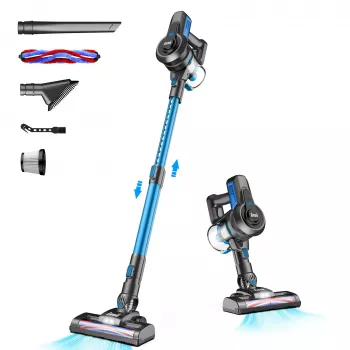
For everyday cleaning where speed and easy handling matter, the Cordless Vacuum Cleaner with HEPA Filter, 4-Stage Filtration System, Bagless is designed around straightforward routines: quick pickup, simple emptying, and a multi-stage filtration path intended to help manage fine dust during regular use.
At-a-glance details
| Item | Details |
|---|---|
| Product | Cordless Vacuum Cleaner with HEPA Filter, 4-Stage Filtration System, Bagless |
| Price | $86.51 USD |
| Availability | In stock |
| Product page | View product |
Everyday home add-ons worth keeping clean
- 70cm Kawaii Animal Plush Pillow – Soft Seal, Shark & Narwhal Hugging Toy: plush items can trap lint and dust—routine surface vacuuming (with a gentle attachment when available) helps keep them fresher between washes.
- Newborn Baby Gift Set – Bath Toys, Towels, Rattles & More: nurseries and changing areas tend to see frequent crumbs, lint, and tracked-in dust—quick cordless passes can help keep high-use corners tidy.
FAQ
How often should a HEPA-stage filter be cleaned or replaced?
Follow the product instructions, since frequency depends on fine dust levels and how often the vacuum runs. Pet hair, allergy season, and frequent use typically mean more frequent cleaning, and replacement is recommended if the filter stays discolored, smells, is damaged, or suction doesn’t recover after maintenance.
Is a bagless vacuum better for allergies?
A sealed airflow path plus effective filtration matters more than whether the vacuum is bagless. Bagless bins can release dust during emptying, so empty slowly (ideally outdoors), and keep filters and seals clean to reduce airborne particles.
Why does suction drop quickly on a cordless vacuum?
The most common causes are a full bin, clogged filters, hair wrap around the brush head, or a blockage in the wand or airway. Emptying the bin, cleaning the filters, and checking for obstructions typically restores performance.













Leave a comment